
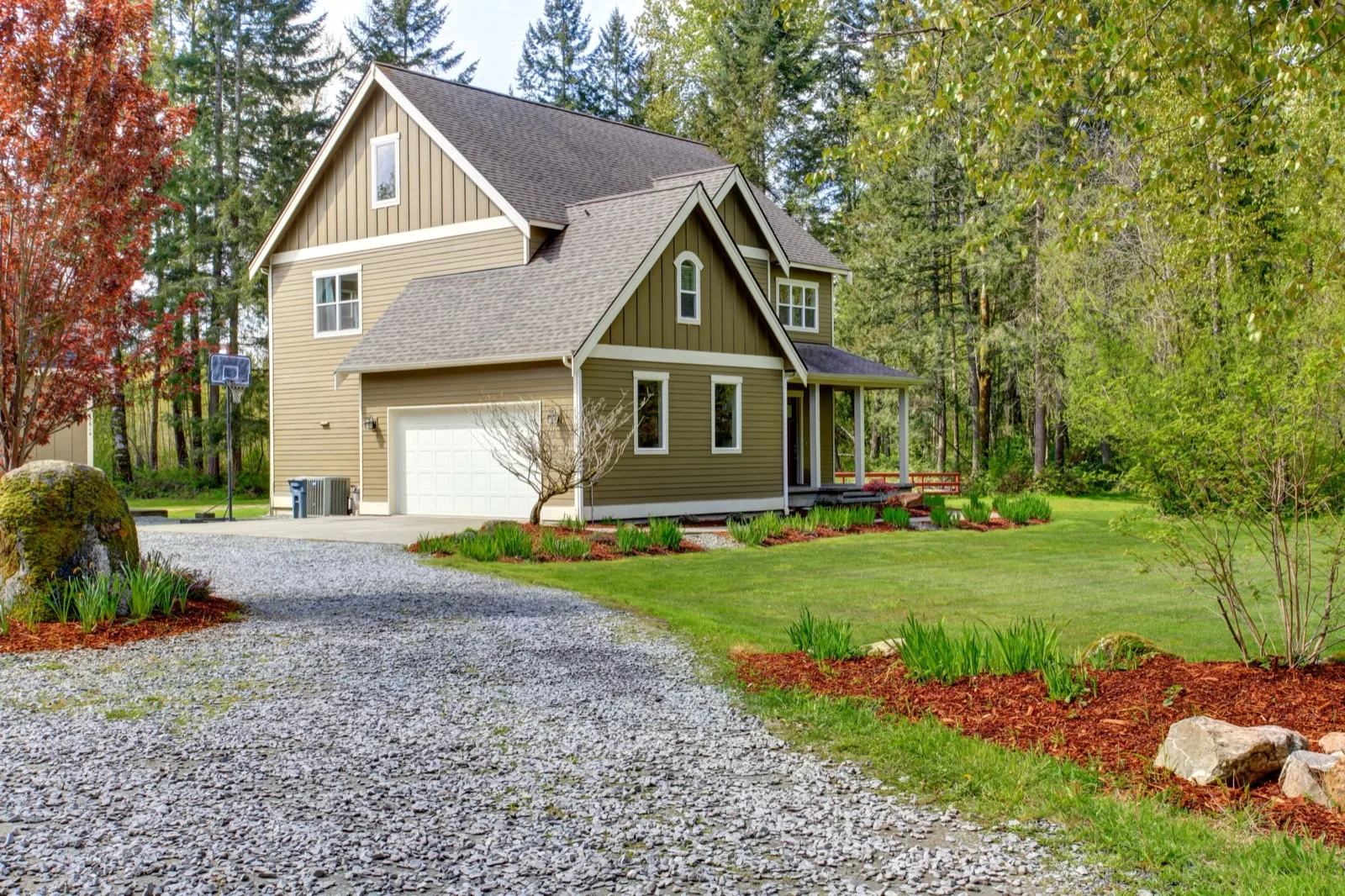
Gravel Driveways
We build new gravel driveways from the subgrade up, with base rock under the top rock. We also re-gravel and regrade older drives that have gone to potholes and soft spots.
Learn More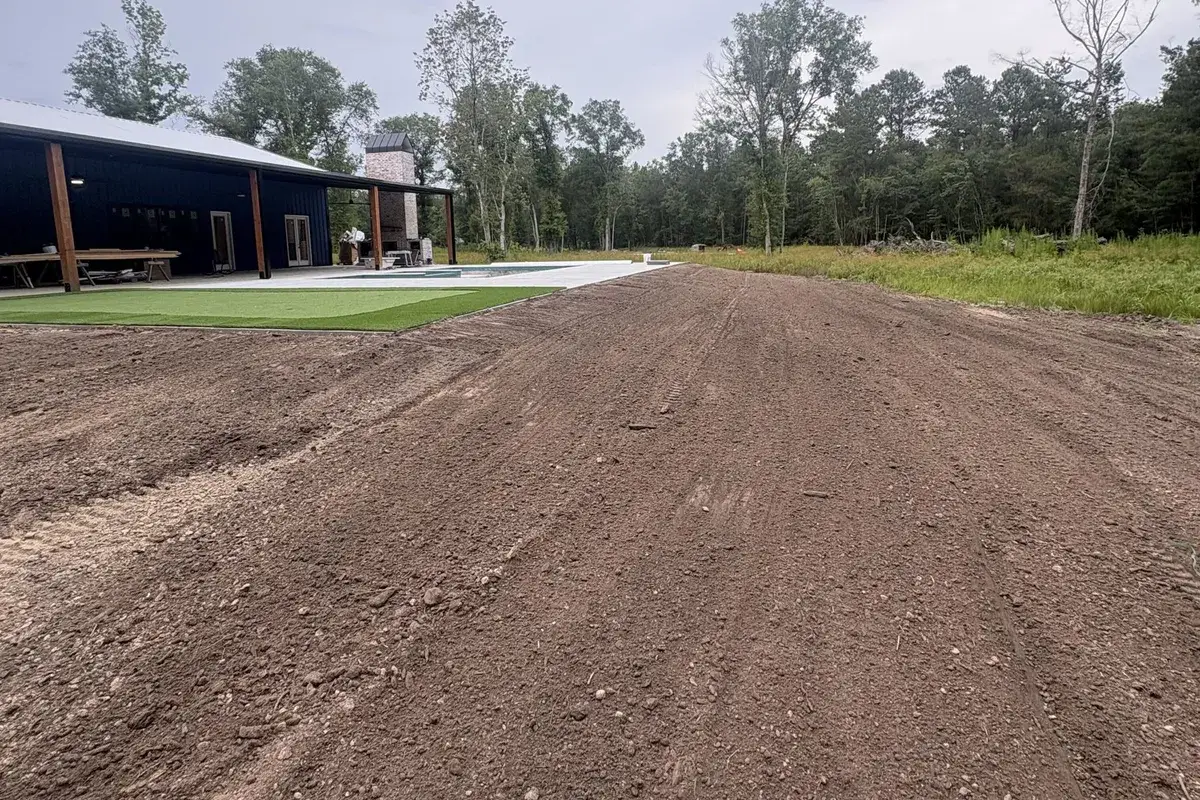
Gravel road construction gets cars and trucks across land that turns soft after rain. Based in Hammond, LA, we build private roads, camp roads, long country drives and access roads into acreage. Each road gets built up above the ground beside it, then crowned so rain runs off. A short drive up to a house is a gravel driveway, and we build those too.
Hammond averages about 64 inches of rain a year, and the land lies flat, so rain has nowhere to run. A road that sits level with the ground holds that water until it ruts and potholes. J-Rod's Dirt Work builds and repairs gravel roads within 50 miles of Hammond, out to Baton Rouge and Covington. Call or text (985) 500-4145 for a free estimate.
Tell us about the job and the ground. We will get right back to you.
Every road starts with the line it will follow. If that line is grown up, land clearing opens it first, and the Case excavator digs the stumps out. Then we strip the topsoil and soft dirt off the road line, since neither one carries a loaded truck. What is left is the subgrade, the ground the whole road rests on.
A state gravel road manual says a well-built road sits above the natural ground. Many old camp roads were made by pushing dirt aside, so they sit below the land around them. Water drains onto a road like that, and it is hard to get off again. Where the road line sits low, we build it up with packed fill dirt before any rock goes down.
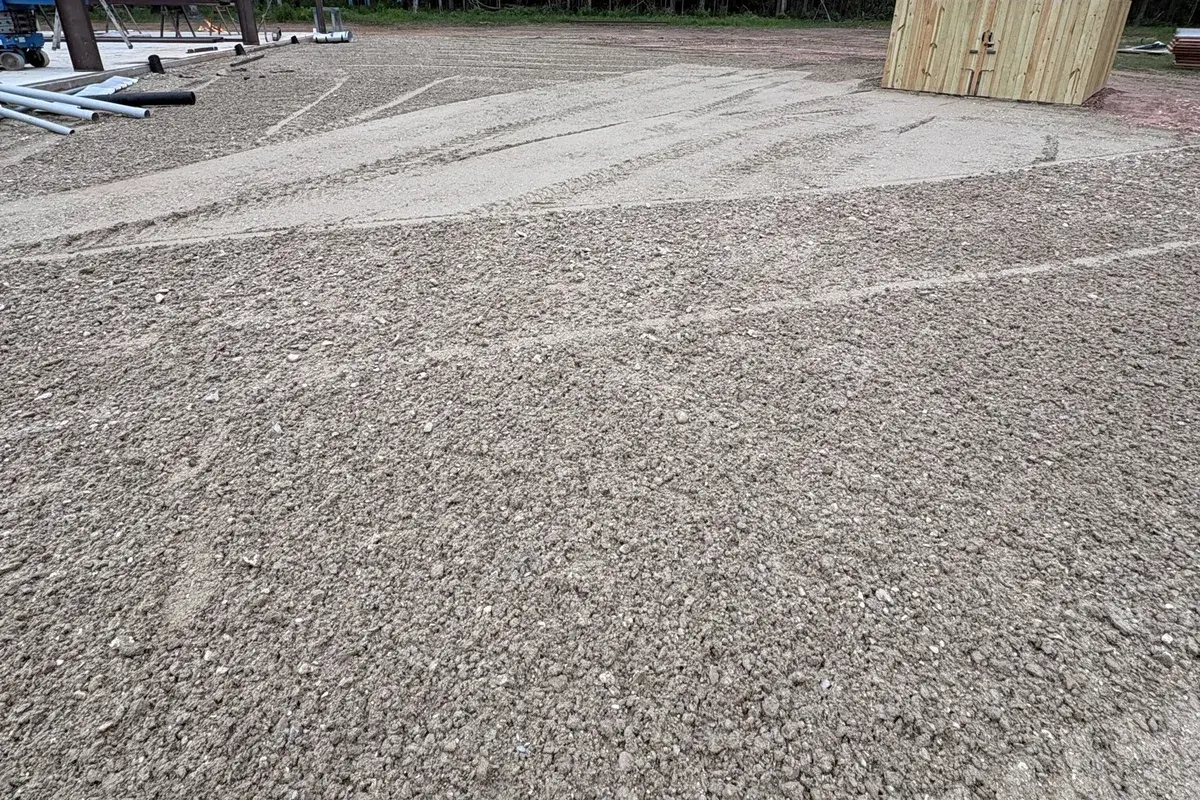
The rock goes on in two layers. The manual puts the base at 12 to 18 inches thick once compacted. The surface layer on top runs about 4 to 6 inches thick when compacted. We size the base for the trucks the road will carry and the ground under it.
Soft ground gets road fabric before any rock. The fabric keeps base rock from mixing into the mud below, and it spreads a truck's weight over more ground. When fabric goes right on natural ground, the manual calls for at least 6 inches of base over it. Then the surface rock goes on top.
Road builders have a saying about the three things that matter most in a road: drainage, drainage and drainage. The Federal Highway Administration's gravel road guide quotes that saying in its drainage section. Water that sits in the rock softens it, and traffic turns the soft spots into ruts. Hammond sees measurable rain on about 116 days a year, so a road here gets tested often.
A crown moves rain off the top. The ideal shape is a straight line from each edge up to the center, like the roof of a house. The federal guide recommends about half an inch of crown per foot, near 4 percent. It warns against going past 6 percent, since drivers then drift to the middle of the road.
The two rock layers split the work. The base carries the weight of the trucks. The surface rock on top packs tight and sheds rain to the edges, which keeps the base under it dry.
Rain that runs off the crown still needs somewhere to go. The federal guide calls the roadside ditch the most common drainage feature a rural road needs. We shape a shallow ditch or swale along the road, so water leaves instead of soaking in. When the ground around the road holds water, land grading gives it a slope to drain.
Worn gravel roads break down into potholes, washboard ripples, ruts and soft spots. Each one has a cause, and the fix follows the cause. The federal guide ties potholes and washboard to a crown too flat to drain the road. It lists four causes of washboard: driving habits, dry weather, poor gravel and too little crown.
When the road still has good rock, a grading pass fixes a lot. Our Kubota SVL75-3 skid steer cuts the washboard and potholes loose and puts the crown back. The guide says to loosen and reshape washboard while the gravel is damp. Loose rock piled along the edges gets pulled back in, because a high edge traps water on the road.
On flat ground like ours, that trapped water sits along the edge of the road. The federal guide says it seeps into the subgrade and can soften the whole road. Deep ruts, lost crown, missing rock and high edges together are more than a grading pass can fix. Those roads need the whole cross section rebuilt before any new surface rock goes on.
Soft spots that keep coming back mean the trouble is under the rock. A state gravel road manual blames base that holds water from too many fines or sits below the water table. A base too thin to carry the road goes soft too. The fix is excavation work: dig the bad material out, then rebuild the stretch with good base rock.
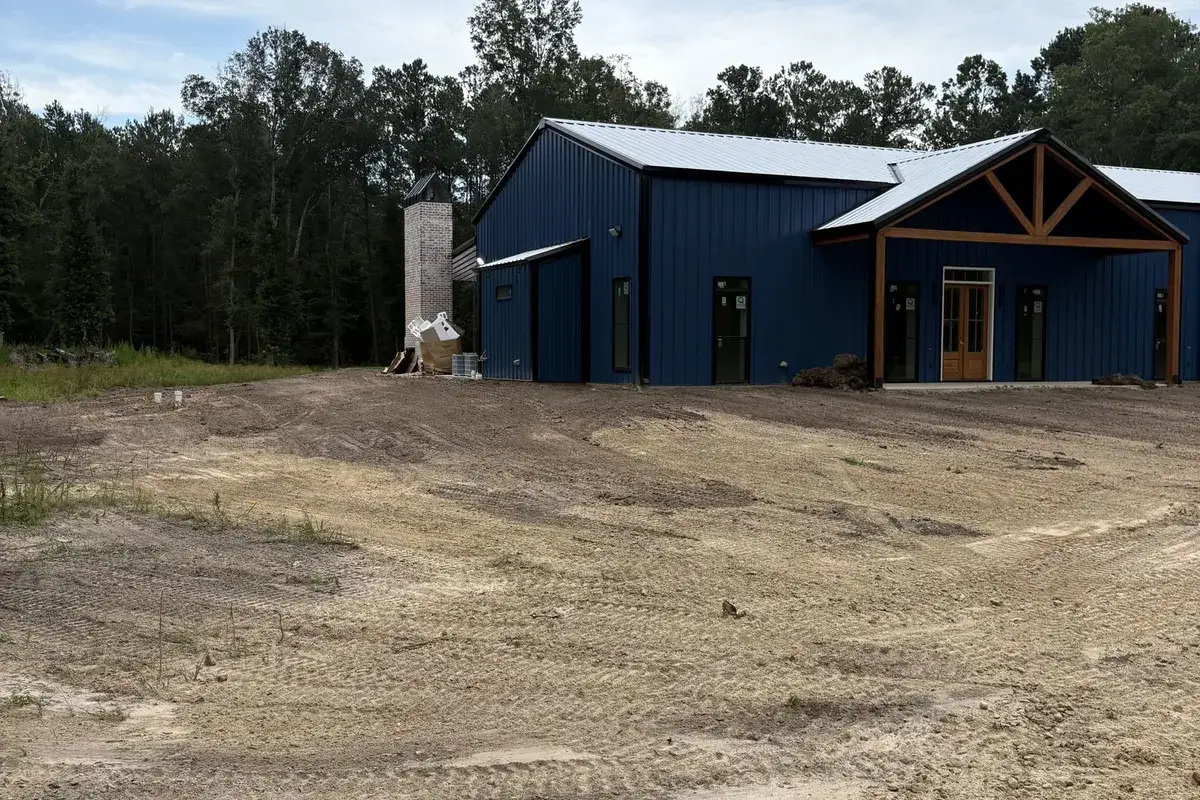
Free, no-obligation estimates across a 50-mile radius of Hammond.
(985) 500-4145From the first call or text to the finished ground, here is how it goes.
Reach us at (985) 500-4145. Tell us the address and what the ground needs. A photo or two helps us size the job.
We drive out and look the property over. We check how the machines get in and where the water goes, then size up what has to move.
You get a price for the work, with the scope spelled out. Take your time with it. The estimate is free either way.
Once you say go, we set a day that fits your build schedule and the weather. Wet ground can push a job, and we tell you when it does.
The crew runs the skid steer or the excavator and works the job through. Debris and extra dirt get hauled off as we go.
We smooth the ground to final grade and clean up behind us. Then we go over the finished job with you before the machines leave.
Common questions about gravel roads across a 50-mile radius of Hammond. If yours is not here, call or text and ask.
We build new gravel driveways from the subgrade up, with base rock under the top rock. We also re-gravel and regrade older drives that have gone to potholes and soft spots.
Learn More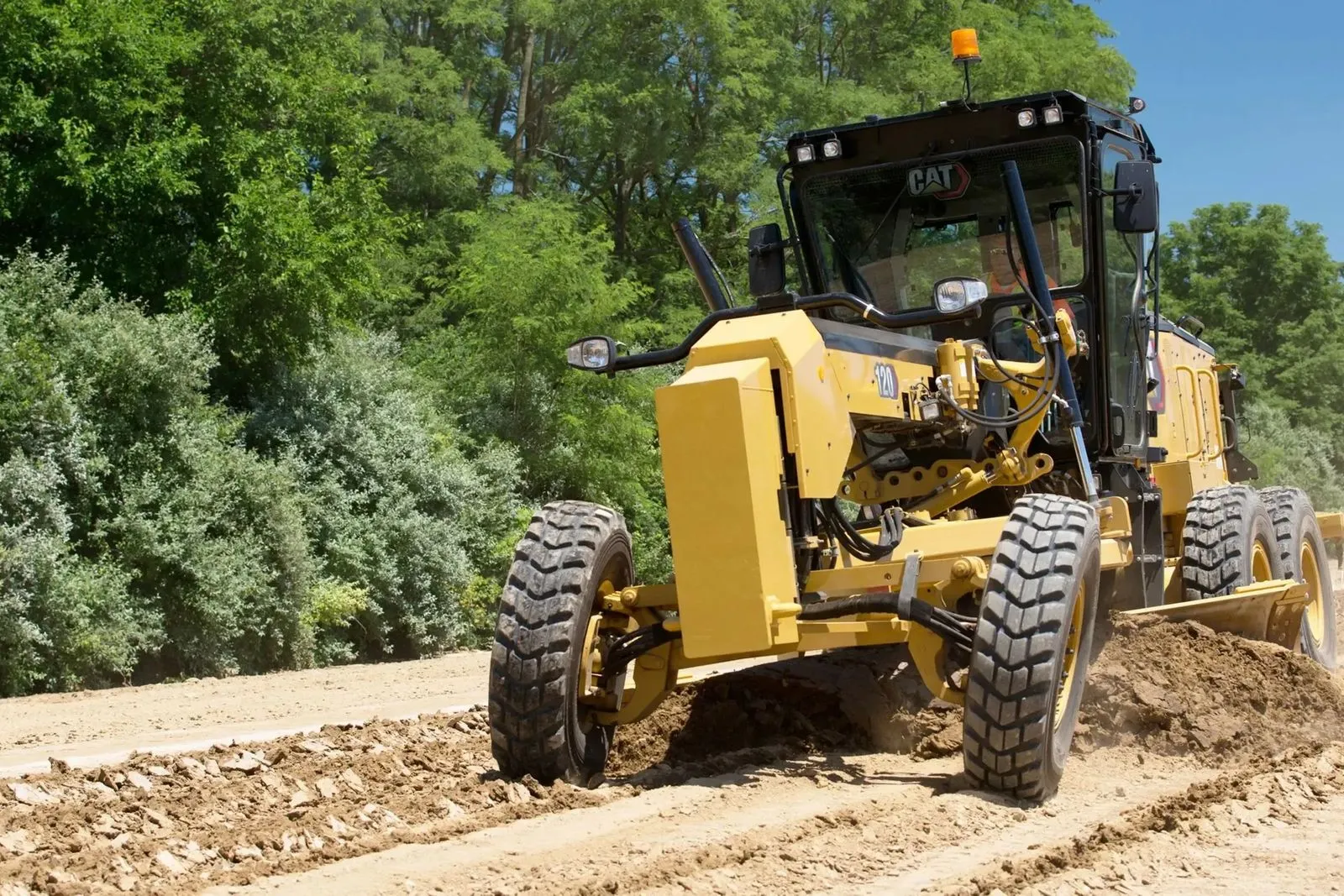
Land grading shapes your ground so water runs off it instead of standing on it. We handle yard leveling and lot grading within a 50 mile radius of Hammond.
Learn More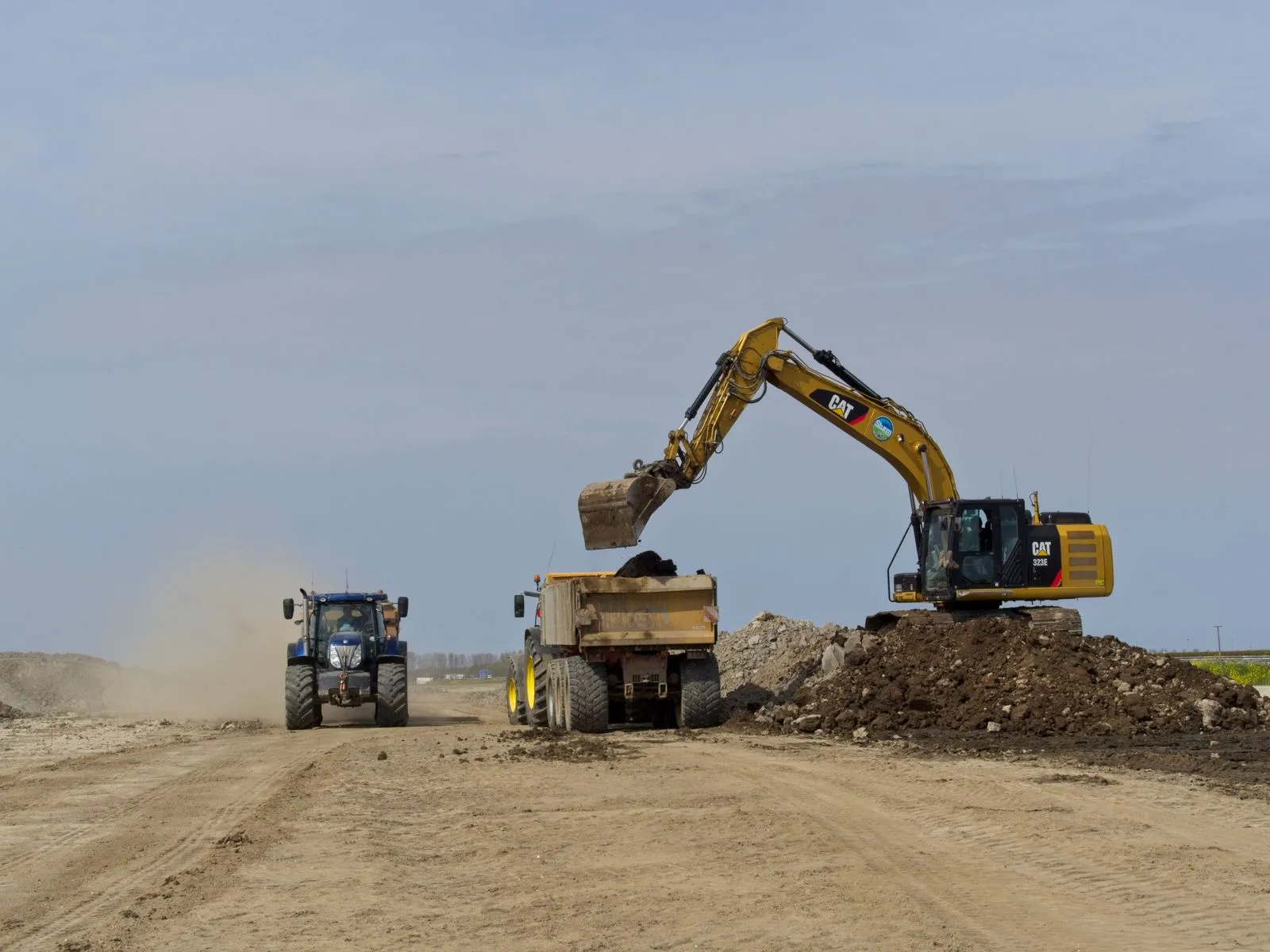
We sell fill dirt and haul it to your property. Loads get dumped where you want them, spread out, and packed down so the ground holds.
Learn More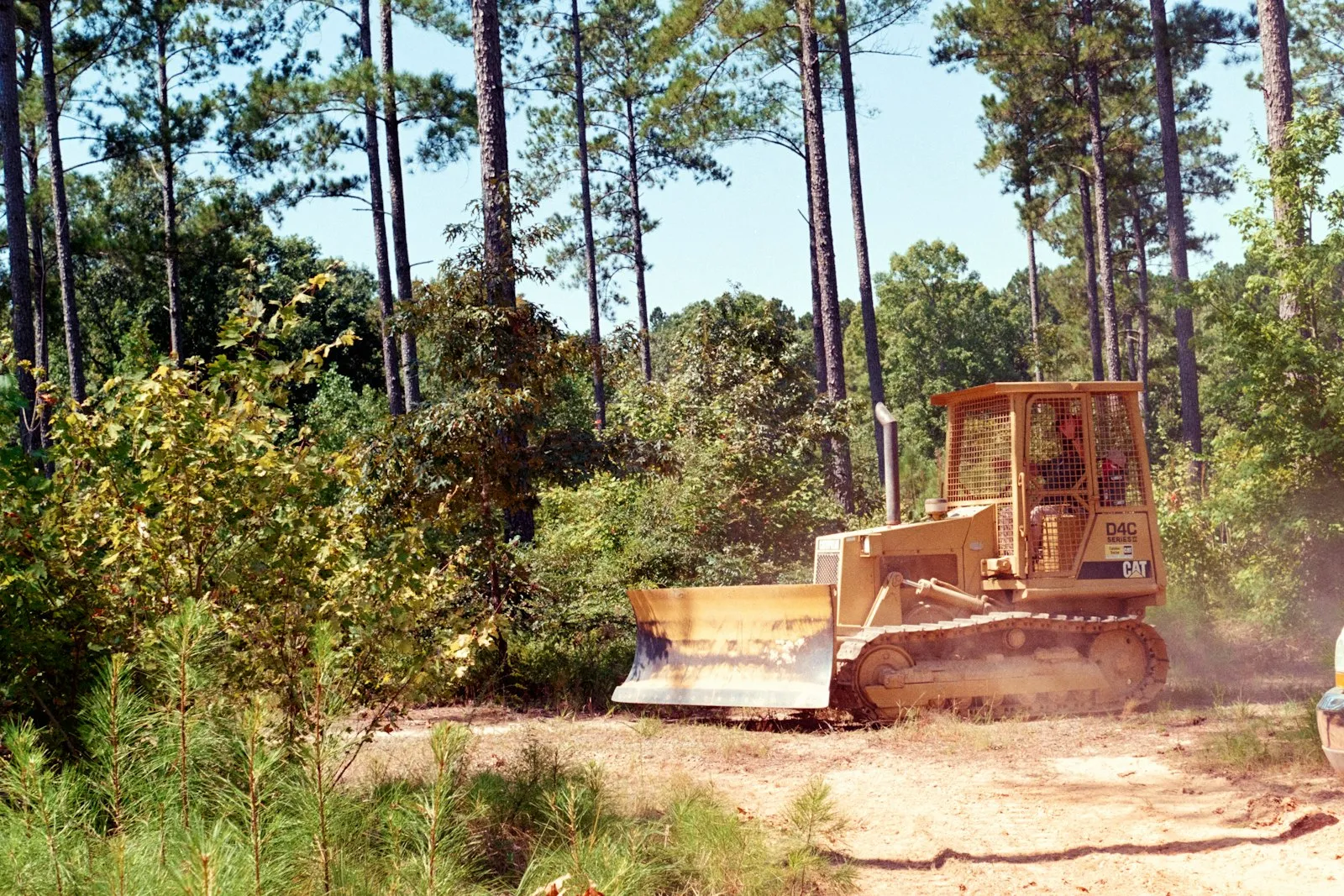
Land clearing for overgrown lots, fence lines and acreage across Southeast Louisiana. We take out the underbrush and small trees, then dig the stumps and root balls out with the excavator.
Learn MoreNobody prices your job from behind a desk. We walk the ground, check the access and where the water goes, and price the work from what we see.
Send us the address and tell us what needs doing. We come look at the ground, then give you a price for the job. The estimate costs nothing.
We run out to Baton Rouge, Covington, New Orleans, and up into southern Mississippi. If your property sits inside 50 miles of Hammond, we can get a machine there.
We work house lots and job sites for builders and businesses. A backyard that holds water and a commercial pad both get the same machine time and the same attention.
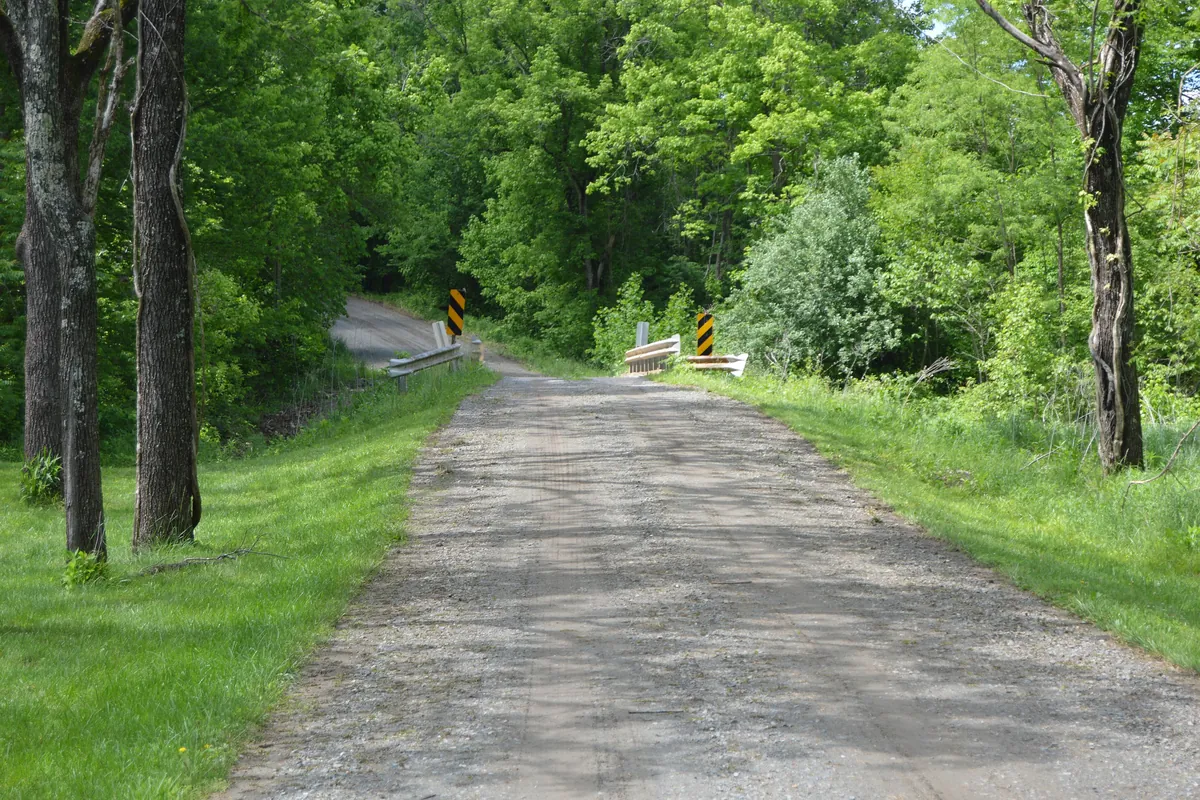
What a gravel road costs in Louisiana in 2026: published per foot and per mile ranges, Hammond rock prices by the ton, depth, permits and upkeep.
Read more →What a gravel driveway costs in Louisiana in 2026: installed per square foot, live Hammond rock prices, why crushed concrete runs 40 percent less than limestone, and the base and crown that keep it out of the mud.
Read more →Call or text (985) 500-4145, or send the form and we will get back to you. Tell us the address and what the ground needs, and we will set up a free estimate.
Tell us about the job and the ground. We will get right back to you.