
Fill Dirt
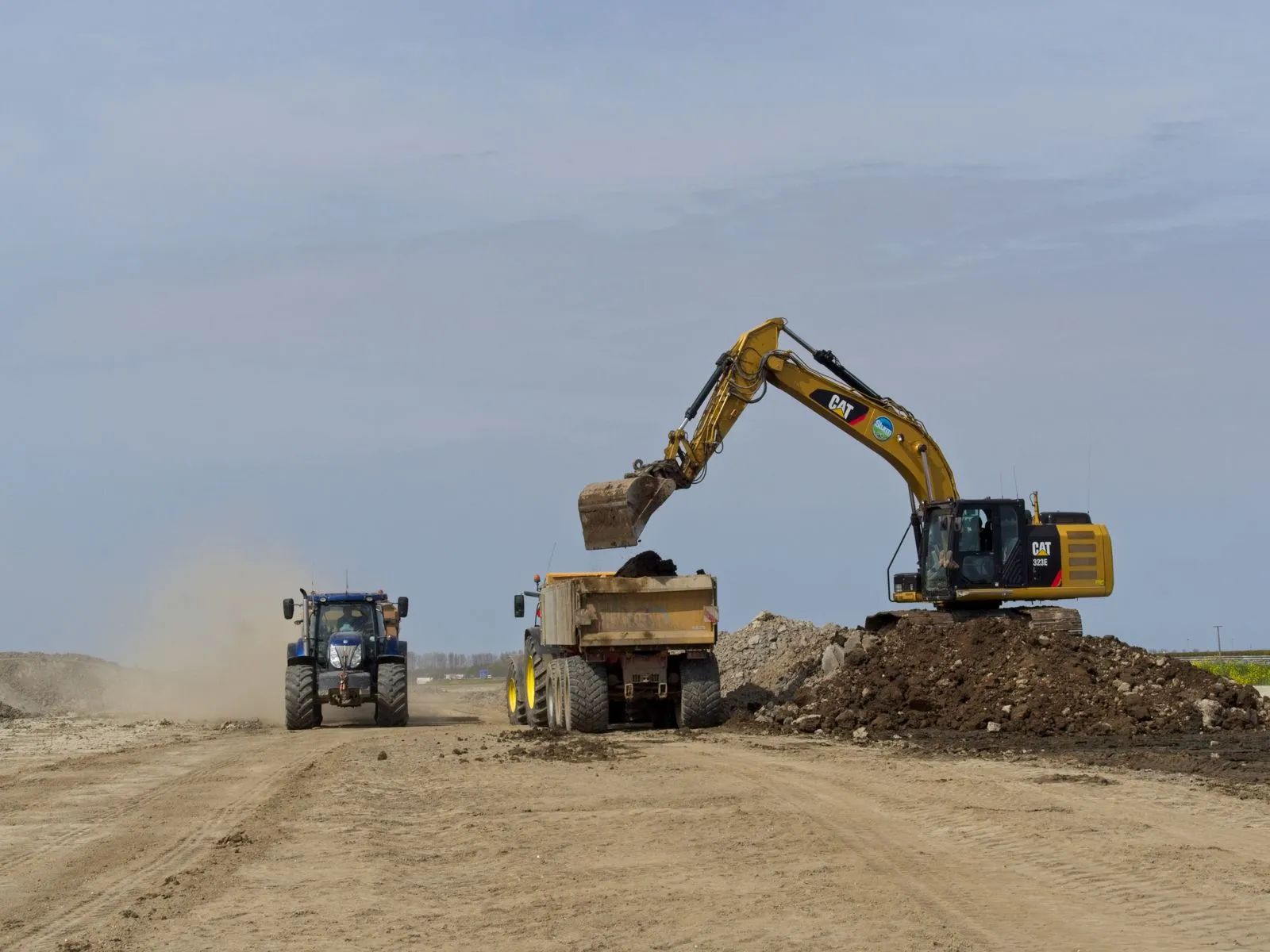
We sell fill dirt and haul it to your property. Loads get dumped where you want them, spread out, and packed down so the ground holds.
Learn More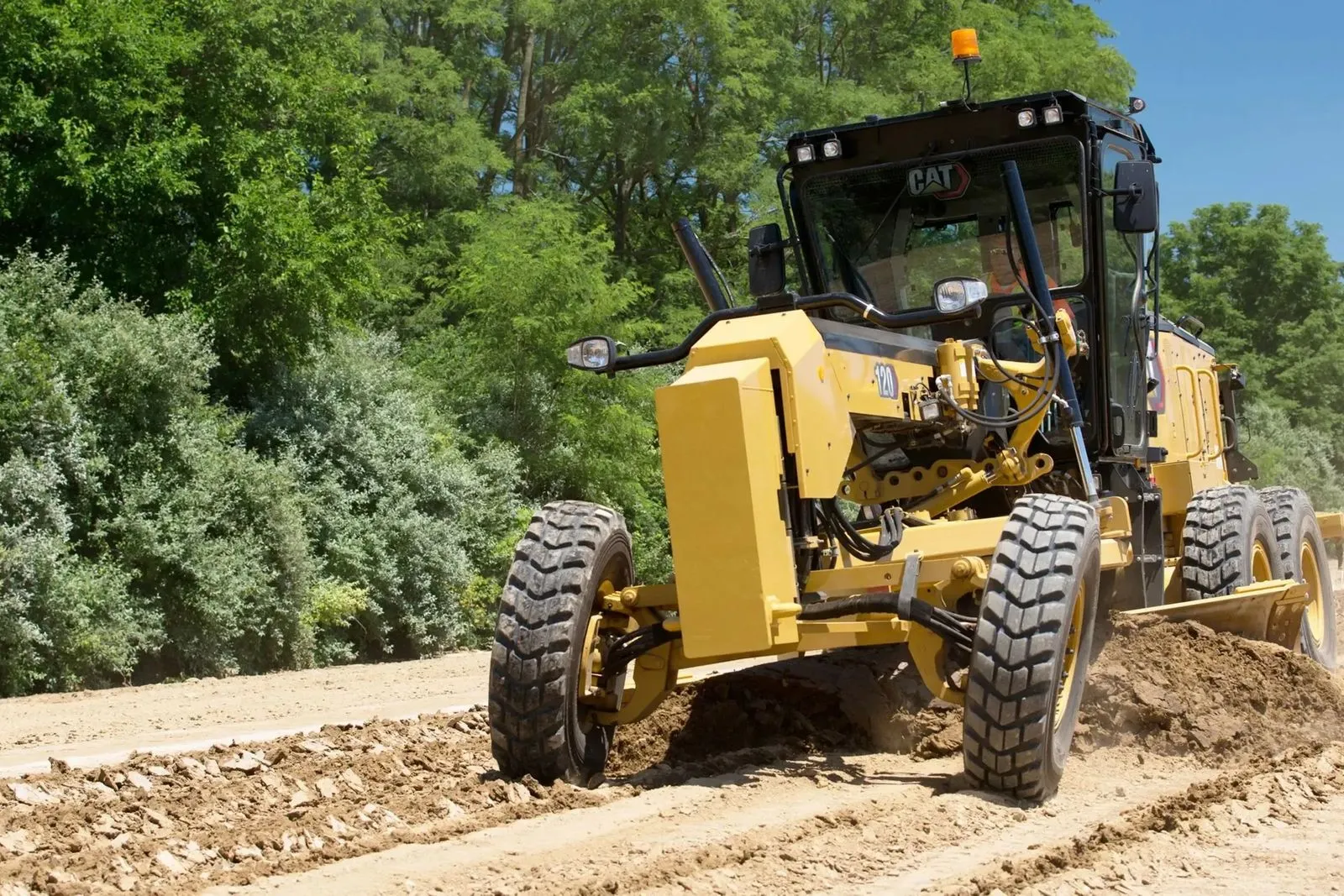
Land grading shapes the ground so water runs off it instead of sitting on it. J-Rod's Dirt Work is based in Hammond and grades yards and lots within 50 miles. Most of our calls start the same way. Water stands in the yard for days after a rain. It creeps toward the house, or it turns half the lot to mud. We read the ground first, then set a fall that carries the water somewhere it can go. High spots get cut down and low spots get filled. The last pass leaves the dirt smooth and even. Call or text (985) 500-4145 for a free estimate.
Flat ground does not drain on its own. Around Hammond the land lies close to level and the water table sits high. The soil holds water instead of taking it in. Rain has nowhere to fall to, so the fall has to be built into the ground. That is the job land grading does. We shape a steady slope away from the house. Then a swale carries that water to a ditch or a low corner. Where a low spot needs more dirt than the lot has, we haul in fill dirt and spread it. Building pads are a different job, and our site prep work covers those.
Tell us about the job and the ground. We will get right back to you.
We start by looking at where the water sits and where it can go. A rain the day before helps, since the wet spots show themselves. That outlet decides everything else on the job. It might be a road ditch, or lower ground at the back of the lot. You point out what we work around, like a septic lid or a sprinkler line. Then we set the fall from the high side down to the outlet. Nothing moves until the shape is clear. That first look is free.
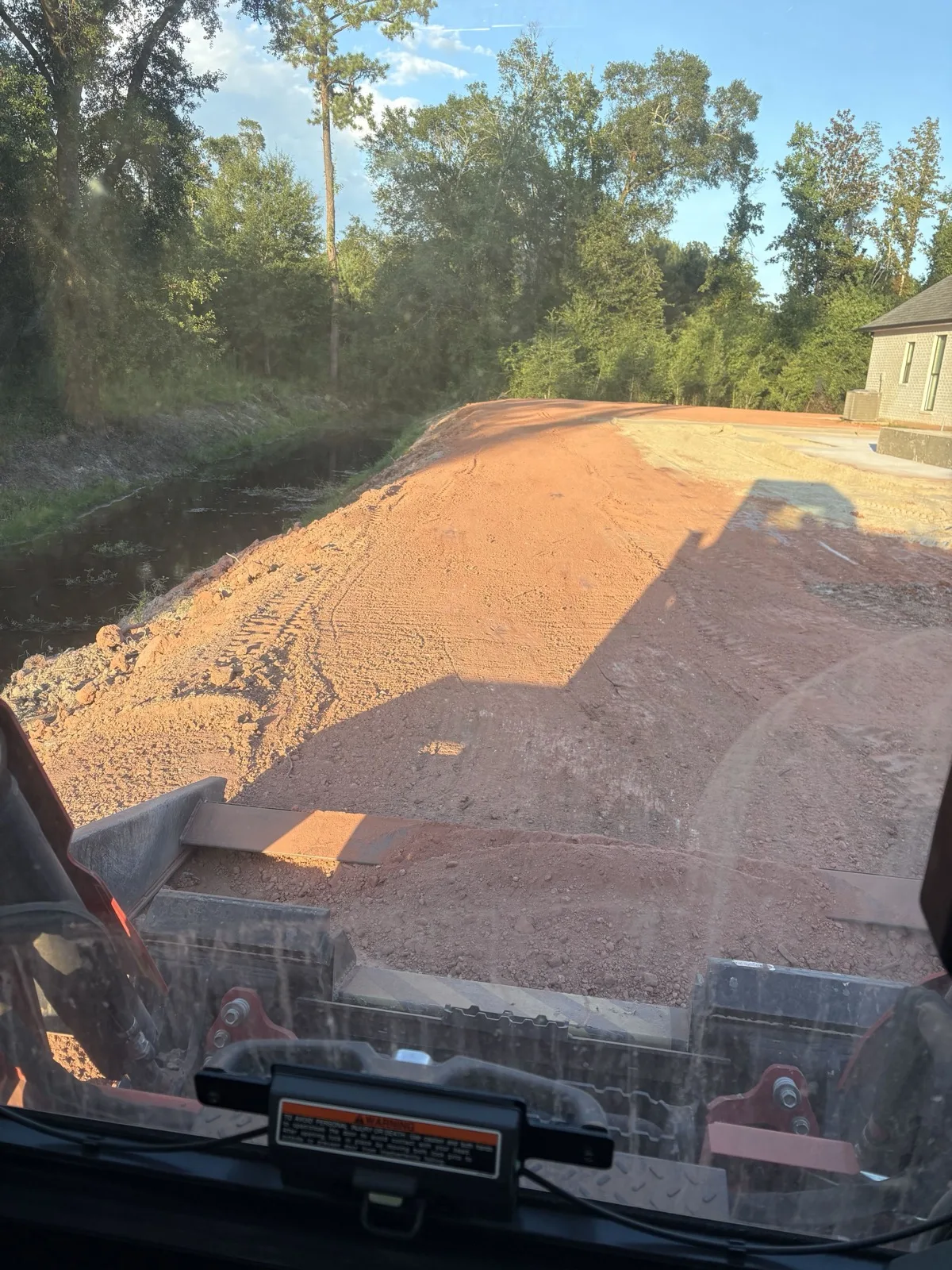
The Kubota SVL75-3 does most of the shaping. It cuts the high ground down and moves that dirt to the low side. The tracks spread the weight, so the machine works soft ground without cutting ruts. The Case excavator handles deeper cuts and bad material that has to come out, which is excavation work. Each pass gets checked against the fall we set at the start. The final pass smooths the surface and breaks up clods. Then the machine tracks back over the loose dirt to pack it down.
Southeast Louisiana gets close to 60 inches of rain in a normal year. The ground here is coastal plain, so it lies flat and holds a high water table. Water does not run off on its own, because there is little fall for it to follow. It sits where it lands until it soaks in or dries up. On a lot that already sits low, that can take days. The 2016 floods showed how fast water backs up in Tangipahoa and Livingston parishes when it has nowhere to go.
So the fall gets built. A swale is the usual answer, and it is a shallow, wide dip shaped into the ground. It catches water and carries it along a set path to a ditch or a low corner. Grass grows in it and you can mow right across it. From the porch it reads as part of the yard. All of this is surface work. The water moves on top of the dirt and follows the shape we give it. Grading is how ground drains here.
Water against the foundation is the call we get most. The ground has settled toward the house, or the yard was never shaped to fall away from it. Residential code asks for the ground to drop 6 inches in the first 10 feet away from the foundation. A lot of older yards do not have that. We cut and fill until the ground falls away from the slab on every side. Then we tie that slope into a swale or a ditch so the water keeps moving.
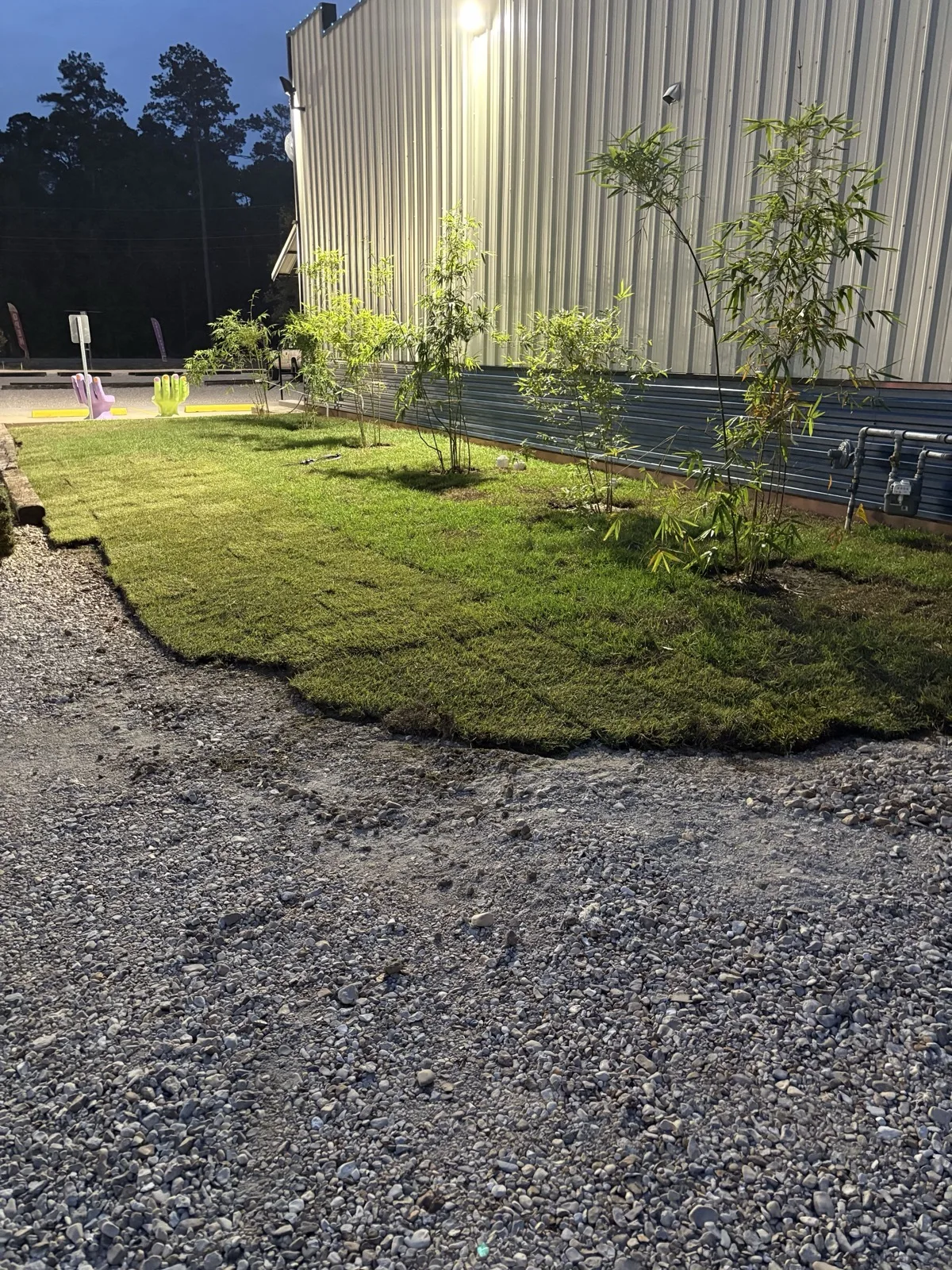
Other jobs are about the surface itself. Ruts from trucks and ground torn up during a build both need smoothing. We knock the humps down and fill the dips. The final grade is left smooth enough to mow and shaped to keep water moving. Yards get left ready for seed or sod. A gravel drive that has rutted or washed is covered on our gravel driveway page. Commercial lots get the same work at a larger scale, and no job is too big or too small.
Free, no-obligation estimates across a 50-mile radius of Hammond.
(985) 500-4145From the first call or text to the finished ground, here is how it goes.
Reach us at (985) 500-4145. Tell us the address and what the ground needs. A photo or two helps us size the job.
We drive out and look the property over. We check how the machines get in and where the water goes, then size up what has to move.
You get a price for the work, with the scope spelled out. Take your time with it. The estimate is free either way.
Once you say go, we set a day that fits your build schedule and the weather. Wet ground can push a job, and we tell you when it does.
The crew runs the skid steer or the excavator and works the job through. Debris and extra dirt get hauled off as we go.
We smooth the ground to final grade and clean up behind us. Then we go over the finished job with you before the machines leave.
Common questions about land grading across a 50-mile radius of Hammond. If yours is not here, call or text and ask.
We sell fill dirt and haul it to your property. Loads get dumped where you want them, spread out, and packed down so the ground holds.
Learn More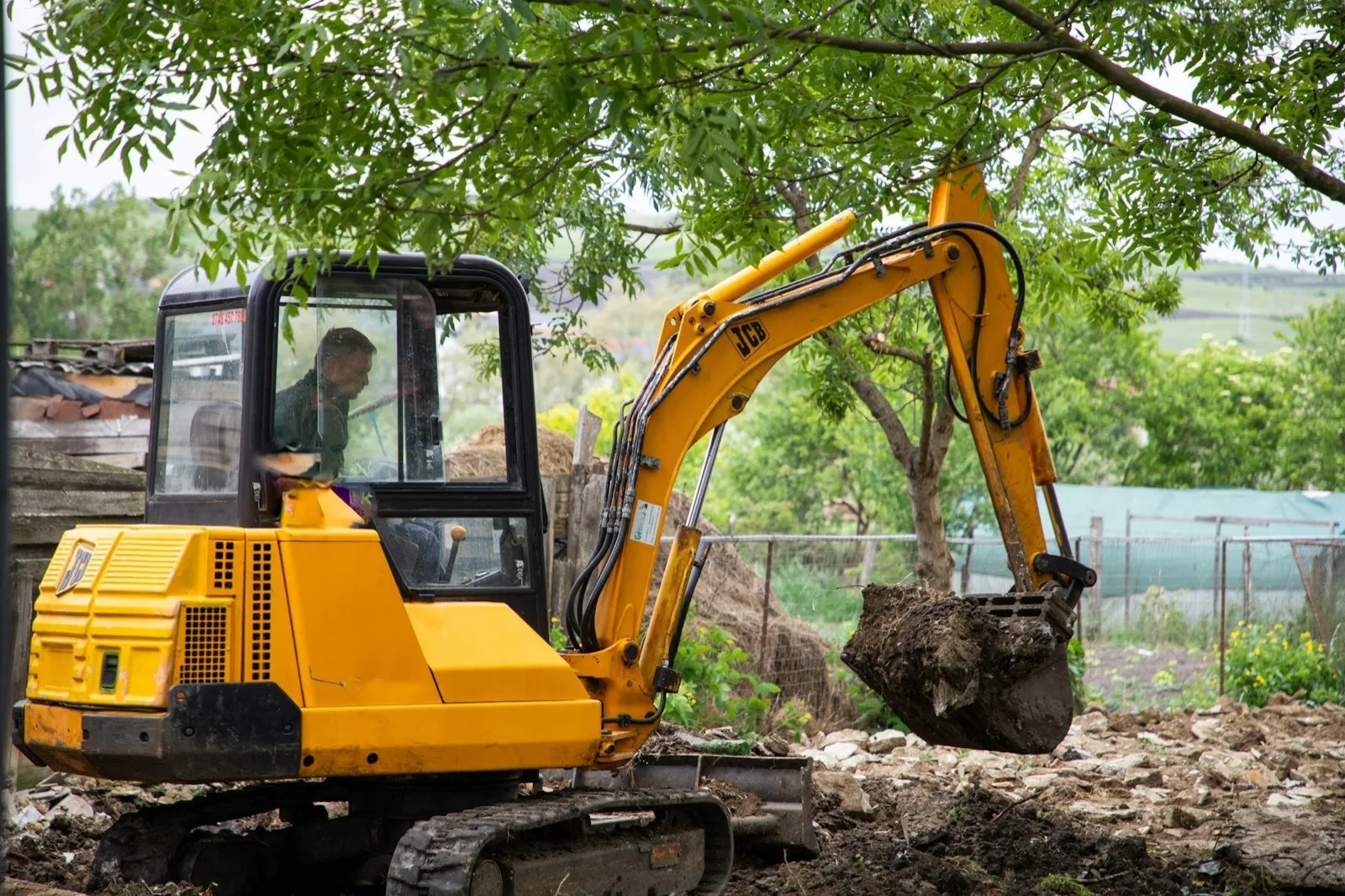
Excavation covers cuts and fills, soft or bad material dug out, and ditches and drainage swales. A Case excavator and a Kubota SVL75-3 skid steer do the work within 50 miles of Hammond.
Learn More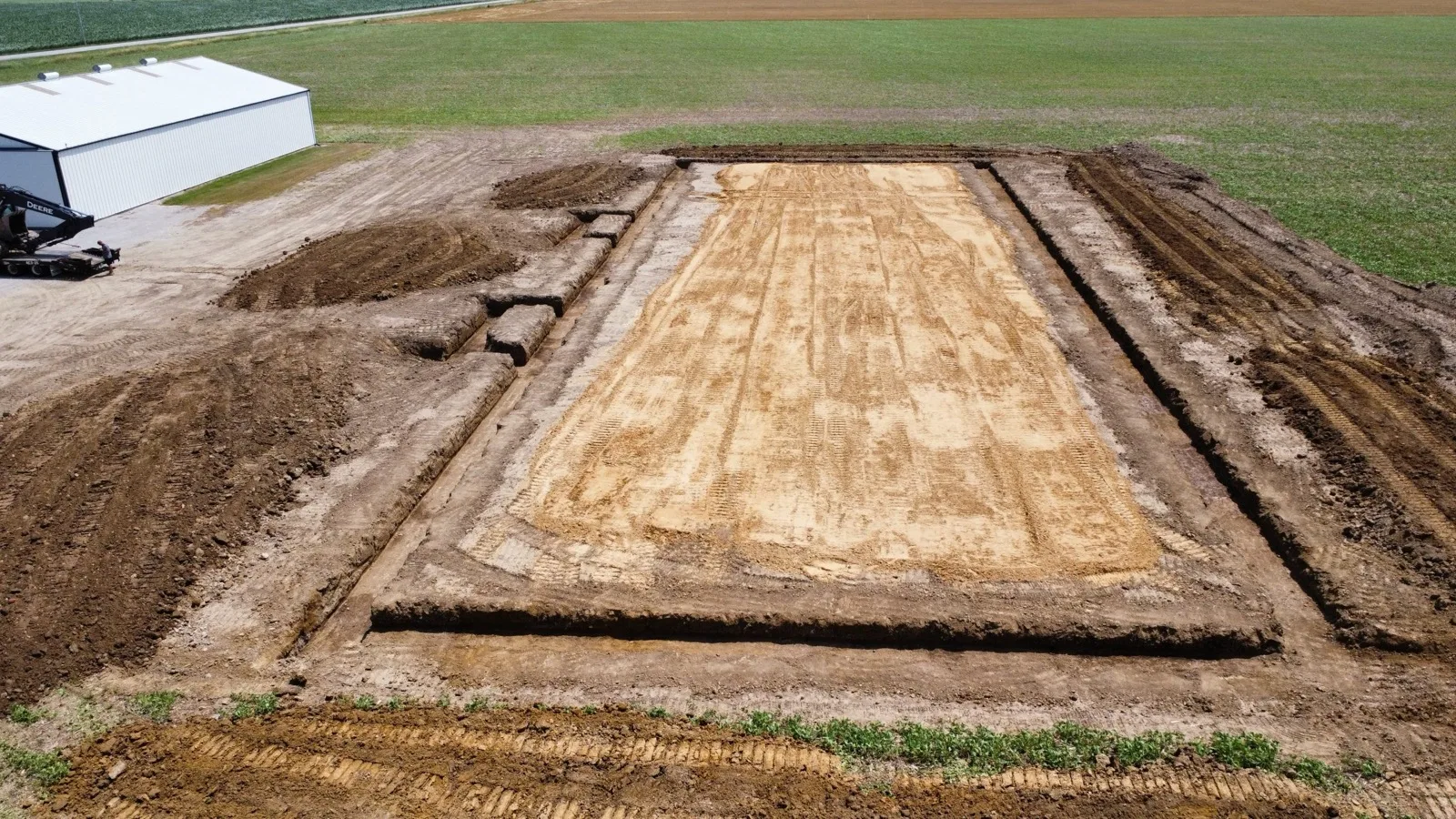
We take a lot from raw ground to a pad you can build on. Fill placed and compacted in lifts, rough grade set, and access roughed in for the trucks.
Learn More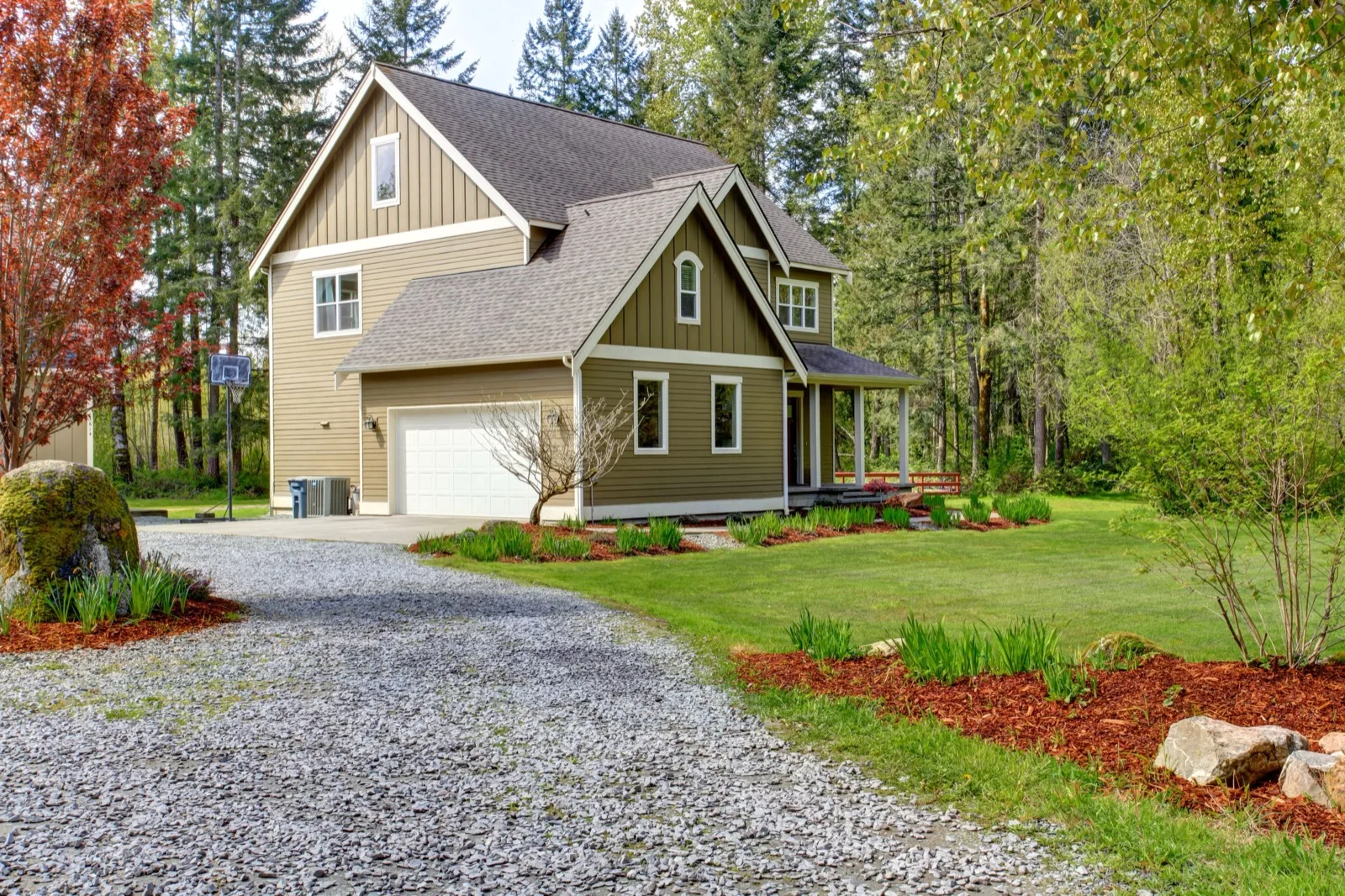
We build new gravel driveways from the subgrade up, with base rock under the top rock. We also re-gravel and regrade older drives that have gone to potholes and soft spots.
Learn MoreNobody prices your job from behind a desk. We walk the ground, check the access and where the water goes, and price the work from what we see.
Send us the address and tell us what needs doing. We come look at the ground, then give you a price for the job. The estimate costs nothing.
We run out to Baton Rouge, Covington, New Orleans, and up into southern Mississippi. If your property sits inside 50 miles of Hammond, we can get a machine there.
We work house lots and job sites for builders and businesses. A backyard that holds water and a commercial pad both get the same machine time and the same attention.
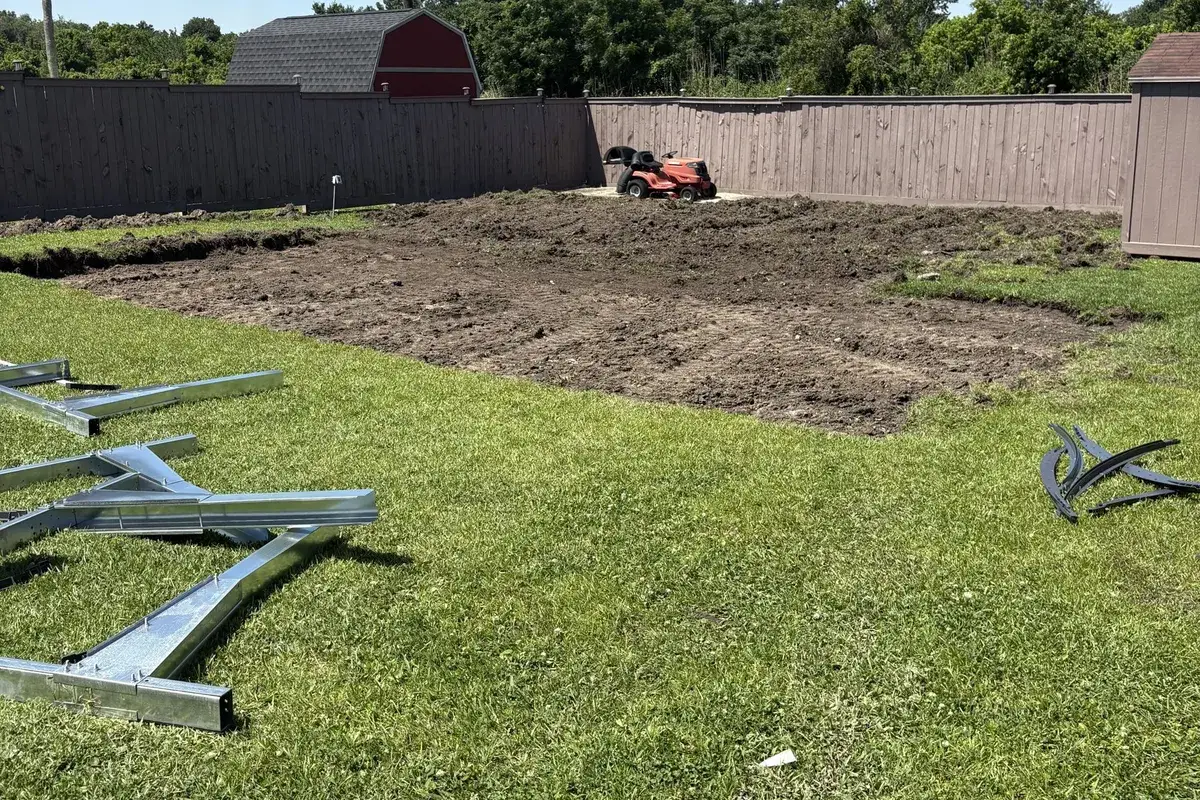
What land grading costs in Louisiana in 2026: published yard leveling ranges per square foot and per acre, machine time, fill dirt and parish permit rules.
Read more →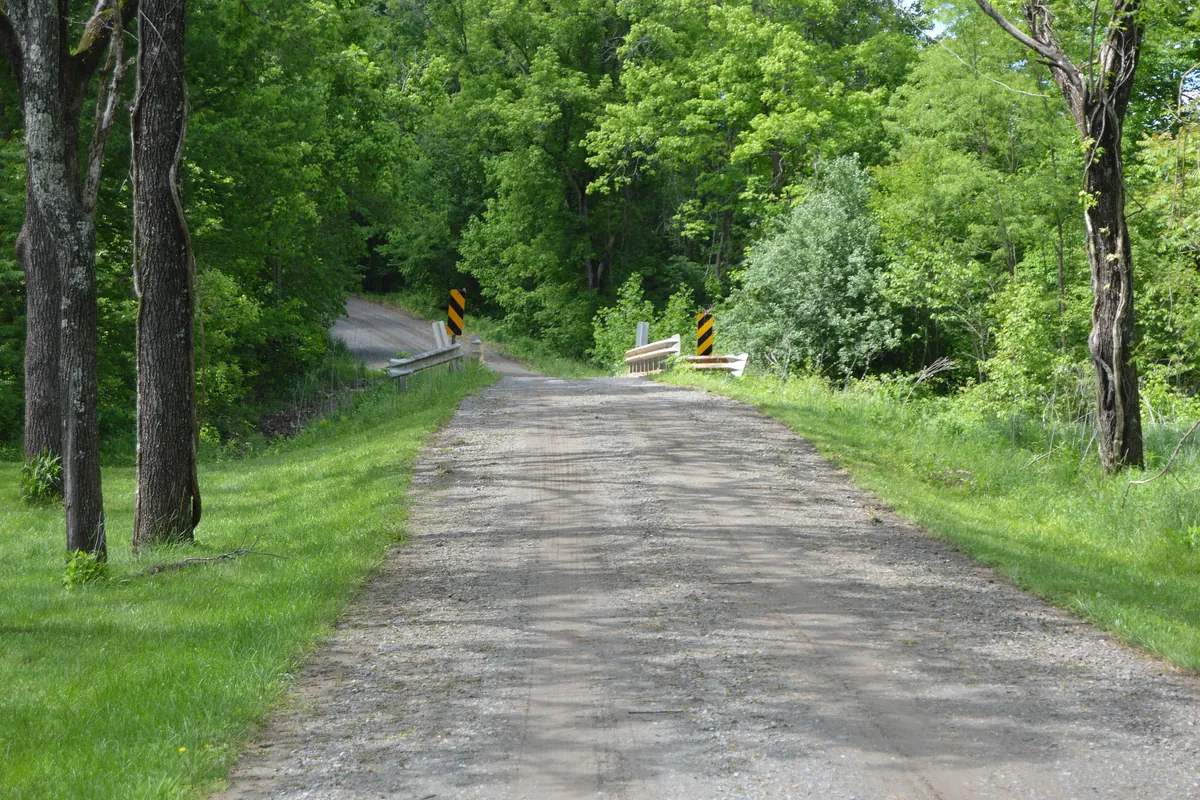
What a gravel road costs in Louisiana in 2026: published per foot and per mile ranges, Hammond rock prices by the ton, depth, permits and upkeep.
Read more →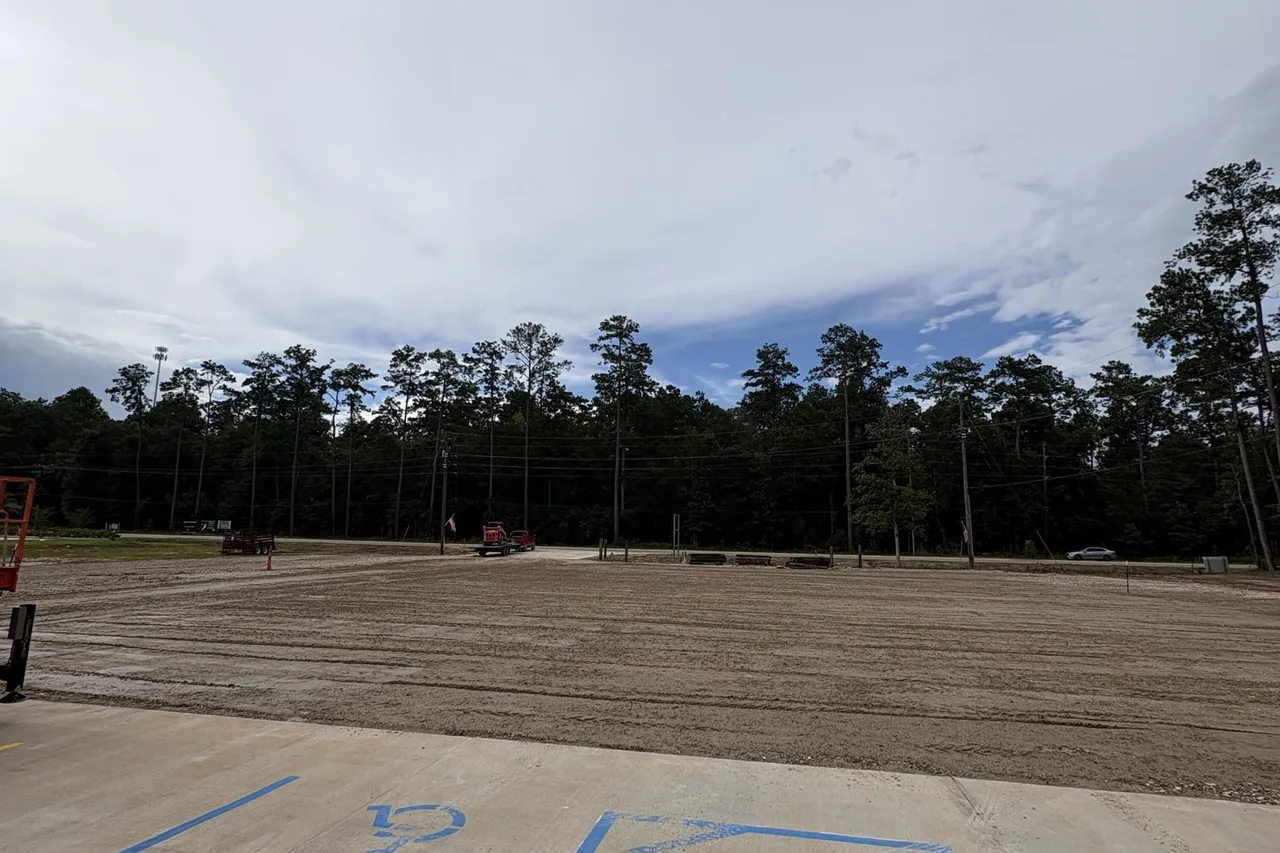
What a house pad costs in Louisiana in 2026: published ranges per cubic yard and per square foot, how many yards a pad takes, and the parish flood rules.
Read more →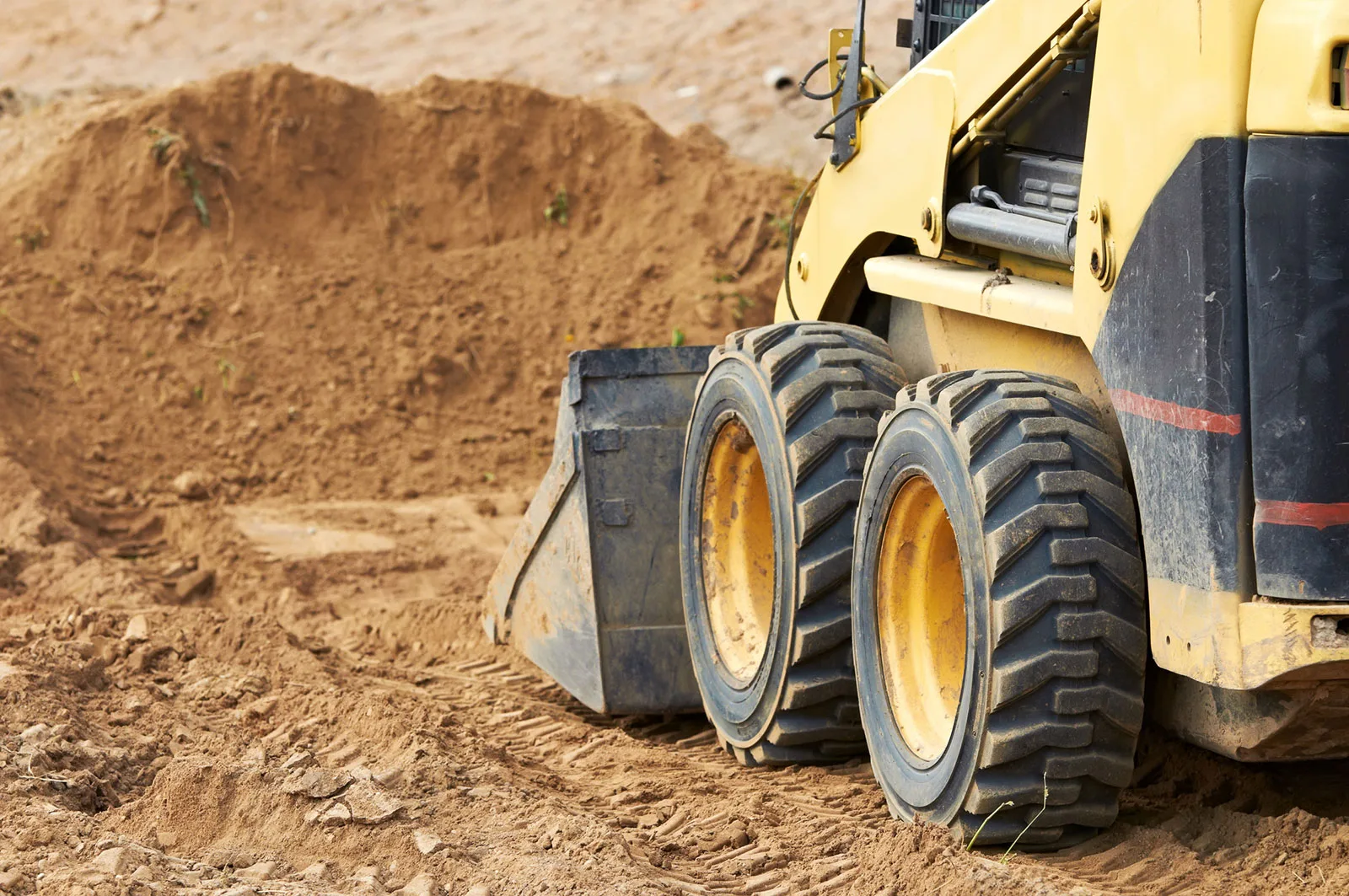
What fill dirt costs in Louisiana in 2026: per cubic yard, per truckload, delivery and spreading, how many yards you need, and why filling a lot in a flood zone starts with the parish.
Read more →What a gravel driveway costs in Louisiana in 2026: installed per square foot, live Hammond rock prices, why crushed concrete runs 40 percent less than limestone, and the base and crown that keep it out of the mud.
Read more →Call or text (985) 500-4145, or send the form and we will get back to you. Tell us the address and what the ground needs, and we will set up a free estimate.
Tell us about the job and the ground. We will get right back to you.